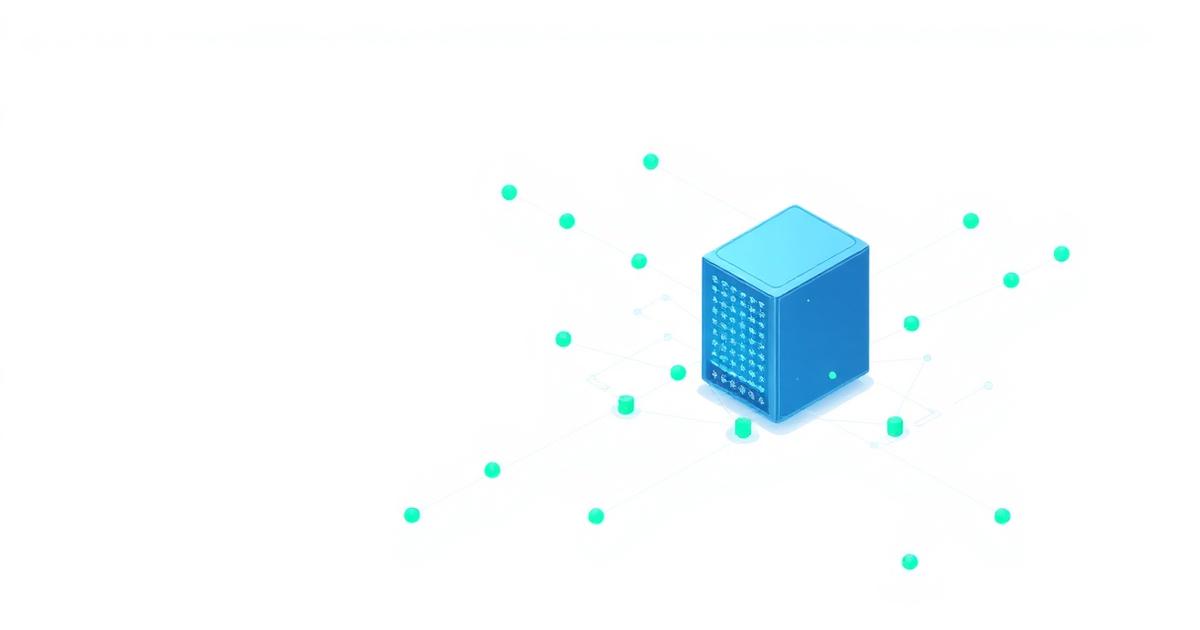
Inside Exeisy: A Layered Architecture for Intelligent Trading
Data, analysis, intelligence, risk and execution — and why the boundaries matter.
Exeisy Intelligence DeskPublished 16 August 2026 · Updated 21 August 20266 min read

Key takeaways
- Exeisy separates data, analysis, intelligence, risk and execution into distinct layers.
- The risk layer sits between intelligence and execution and cannot be bypassed.
- The risk layer can only reduce or reject an action, never create one.
- Stale market data is treated as an error condition, not an old price.
- Every action is auditable against the conditions and constraints that produced it.
Exeisy is organised as five layers with deliberate boundaries between them. The boundaries are the design; the layers are just where work happens.
The five layers
1. Data
Market data is ingested, normalised and time-aligned. Feeds are monitored for staleness, and a stale feed is treated as an error condition rather than a slightly older price. Everything above this layer assumes clean, timestamped input.
2. Analysis
Structural and statistical context is derived: trend state, volatility regime, session context, relative behaviour across instruments. This layer describes conditions. It does not decide anything.
3. Intelligence
Analysis output is combined into structured assessments — how conditions compare to historical analogues, which scenarios are consistent with current structure, and with what degree of uncertainty. Output is explicitly probabilistic and is never expressed as a guaranteed outcome.
4. Risk
Every candidate action passes through configurable constraints: per-trade risk, aggregate exposure, correlation limits, daily loss caps, drawdown thresholds. This layer can only reduce or reject. It cannot create an action.
5. Execution
Permitted actions are transmitted, monitored and reconciled. Order state is confirmed against the venue rather than assumed.
Why the boundaries matter
The critical property is that risk sits between intelligence and execution, and cannot be bypassed. A model producing an unreasonable assessment cannot cause an unbounded loss, because the risk layer independently constrains size and exposure regardless of how confident the layer above is.
An intelligence error should cost a rejected order, not an account.
This also makes behaviour auditable. Every action carries a record of the conditions that produced it and the constraints applied to it.
What it deliberately does not do
Exeisy does not present forecasts as certainties, does not guarantee outcomes, and does not remove market risk. It is technology for structuring decisions and enforcing discipline consistently.
The operational environment lives at the Exeisy Engine. The Gateway you are reading now is the public knowledge and entry layer, created, designed and developed by Core Creative Designs.
Disclaimer: Content provided for educational and informational purposes. Exeisy does not provide financial advice and does not guarantee trading outcomes. AI-assisted analysis may contain errors and should be independently evaluated.